


How Gen-Z and Celebrity Influences Turned Matcha from a Trend into a Lifestyle
Jul 6
5 min read

Matcha has quietly slipped into that category of things you stop noticing as a “trend” and start recognizing as part of the daily visual language of modern life. It shows up in iced cups held between subway commutes, in glass cafés with pale wood interiors, in gym bags next to protein shakes, and on social feeds that blur wellness and aesthetics into one continuous scroll. What makes it interesting is that it has not really changed, but the way we relate to it absolutely has. It is still powdered green tea at its core, yet it now carries a cultural weight that feels far larger than its ingredient list.
Part of its staying power sits in something very unglamorous but very real, which is how it makes people feel.
Matcha does not operate like coffee in the traditional sense. Coffee tends to spike, sharpen, and then collapse into fatigue in a way most people are familiar with but rarely question. Matcha feels slower, more even. The combination of caffeine with L-theanine creates a type of alertness that is less about urgency and more about steadiness, which is why it has become so closely tied to the idea of “clean energy” living. It does not feel like you are forcing yourself into productivity. It feels like you are arriving there gently, almost without resistance.
There is also a nutritional layer that quietly reinforces its appeal. Most people are not choosing matcha because of biochemistry, but the science still sits underneath the habit.
Matcha benefits people often associate with it:
Steadier energy without the sharp crash commonly linked to coffee
High antioxidant content, especially EGCG, which supports cellular health
Contains L-theanine, which is linked to calmer focus and reduced overstimulation
Supports a sense of sustained alertness rather than jittery stimulation
Often feels gentler on digestion compared to highly acidic coffee for some people
What is more interesting than the science itself is how it gets translated into everyday language. Most people are not thinking about oxidative stress when they order a matcha latte. They are thinking about feeling better, lighter, more in control of their energy. The science becomes a kind of background validation rather than the primary reason for consumption. It is there, but it is not the conversation.
Where matcha really separates itself from older beverage cultures is in how flexible it has become. Coffee used to be structured around identity. Espresso for intensity, black coffee for function, cappuccinos and lattes for comfort. Tea often existed in a quieter, more traditional space. Matcha has blurred all of those boundaries. It can be iced, blended, sweetened, layered with fruit, turned into foam-topped café drinks or stripped back into a simple whisked bowl. It adapts without losing its recognisability, which is a rare quality in anything that becomes culturally viral.
That adaptability is also why it moves so easily between different social settings. It can sit in a wellness studio, a fashion café, a gym cooler, or a morning routine shared online without feeling out of place. It is not trying to belong to one category, which is exactly why it belongs to all of them. In many ways, matcha has become less of a drink and more of a visual cue. The green tone alone is instantly recognizable in a feed dominated by beige, white, and muted minimalism. It introduces contrast without disrupting the aesthetic language people are currently drawn to.
A big part of its modern expansion also comes from how Gen Z has reshaped the entire matcha category. What used to be a fairly contained café order has turned into a full ecosystem of identity-driven consumption. For this generation, matcha is not just a drink, it is a repeatable habit that signals health consciousness without rigidity. It sits in that space between wellness and aesthetic culture, where choices are both functional and visually communicative. The rise of iced matcha, strawberry matcha, protein matcha, and even experimental café variations reflects a broader shift in how Gen Z engages with consumption overall. There is less attachment to tradition and more openness to adaptation, especially when something feels both “good for you” and socially legible online. Matcha fits that intersection almost too perfectly, which is why it has expanded beyond cafés into at-home rituals, TikTok recipes, and wellness branding loops that keep reinforcing its relevance.
That ecosystem has also been shaped by dedicated matcha-first spaces that treat it less like a menu item and more like a product identity. Cafés like Cha Cha Matcha helped formalise this shift by building entire environments around the drink rather than treating it as an add-on to coffee culture. The interiors, branding, and menu design all reinforce the idea that matcha is not secondary, it is the main character. This is where the beverage moved from being “ordered” to being “experienced.” It is no longer just about taste, but about being inside a cultural moment that has been visually designed for consumption.
Celebrity and creator culture has played a role, but not in a loud or manufactured way. It is more subtle than endorsement and closer to normalization. Emma Chamberlain is often referenced in this space because she helped turn matcha from a niche wellness order into something that feels embedded in internet lifestyle culture. Through Chamberlain Coffee, she has also contributed to a broader shift where beverages are no longer just consumed but branded as identity extensions.

In the broader wellness founder space, Ashley Alexander’s Nami Matcha has leaned into a more minimal, functional interpretation of the category, where matcha is positioned as part of a daily ritual rather than a trend-driven product. In contrast,
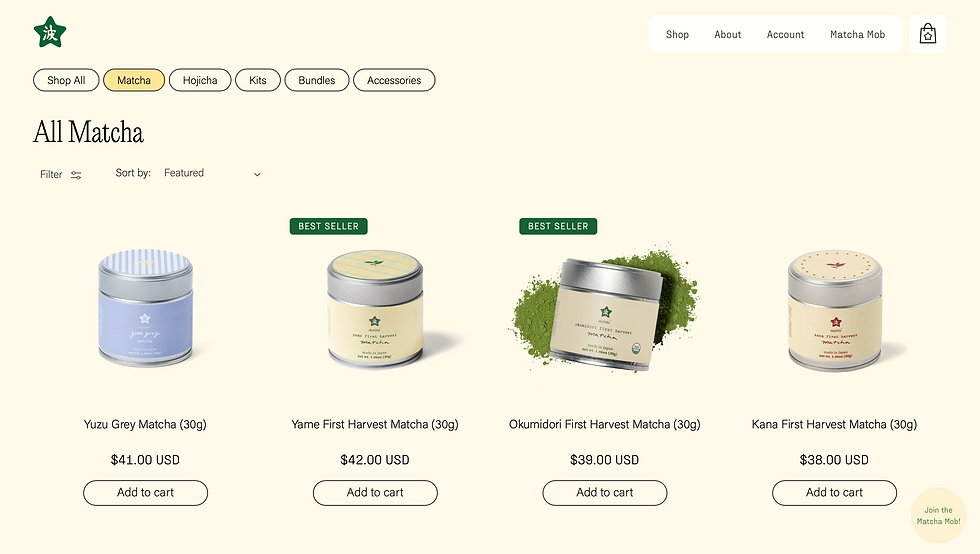
Tanya Malhotra’s Bree Matcha sits closer to a lifestyle-forward expression of the drink, where branding, community, and visual identity play as much of a role as the product itself. Together, they reflect two sides of the same cultural shift. One prioritises simplicity and routine, the other prioritises aesthetic identity and brand storytelling. Both reinforce matcha’s position as something that can be built into personal identity rather than just consumed occasionally.

What is often overlooked is how matcha fits into the current psychology of consumption. People are increasingly drawn to things that feel intentional but not restrictive. There is a fatigue around extremes, whether that is extreme productivity, extreme wellness routines, or extreme minimalism. Matcha sits in a middle space that feels easier to sustain. It is structured enough to feel like a choice that matters, but casual enough to not become a performance. That balance is a large part of why it has not faded in the way many aesthetic food trends eventually do.
There is also something about ritual that plays into its endurance. The preparation of matcha, whether traditional or modern, still carries a sense of pause. Even when it is ordered as a takeaway latte, there is a moment of waiting that feels slightly different from other drinks. In its more traditional form, the act of whisking transforms it from powder into liquid in a way that feels almost meditative. In modern café culture, that ritual has been simplified, but the emotional residue of it still remains.
Ultimately, matcha has become less about novelty and more about continuity. It is one of the few food and beverage trends that has managed to move from aesthetic curiosity to habitual presence without losing its identity. It exists comfortably in both wellness culture and lifestyle culture, which is often where trends either peak or dissolve. Instead, matcha has settled into something more durable. It is not trying to be new anymore. It is simply integrated.
And maybe that is what explains its persistence more than anything else. It does not demand attention in the way coffee culture once did or disappear quietly like other wellness fads. It just exists, consistently, in the background of how people are choosing to live, work, and present their daily routines.
In a landscape where everything moves quickly, matcha’s quiet consistency is what makes it feel like it is still having a moment, even when that moment has already become something longer and more stable than a trend.
Love,
Rae


.jpg)


Comments