


How Miu Miu Became Gen Z’s Most Influential Luxury Brand
Jan 14
5 min read

I have always gravitated toward classic luxury. Clean lines, heritage houses, things that feel timeless rather than buzzy. For a long time, I thought that was the end of the conversation for me. Then something shifted.
It started when brands I had mentally filed away as “not for me anymore” began showing up everywhere again. Coach, once dismissed as dated, suddenly felt cool. Miu Miu, a label I had admired from a distance but never fully engaged with, was suddenly everywhere in a way that felt intentional rather than loud. Micro skirts, ballet flats, quirky glasses, bag charms, messy layers that somehow looked thoughtful instead of chaotic.
That is when my marketing brain kicked in.
Because this was not accidental. Brands do not stumble into Gen Z relevance by chance. Especially not luxury houses with decades of history and deeply established identities. Something was happening beneath the surface, and I wanted to understand it. Not just as a fashion observer, but as someone fascinated by how brands evolve without losing themselves.
This is my attempt to decode how Miu Miu became the Gen Z brand, and why it worked when so many others tried and failed.
The Difference Between Trendy and Resonant
One of the biggest mistakes brands make when chasing younger consumers is assuming Gen Z wants novelty above all else. Loud colors. Fast trends. Constant reinvention. That approach usually backfires, because it feels transparent.
What Gen Z actually responds to is resonance. They want to feel understood, not sold to.
Miu Miu did not suddenly wake up and decide to be cool. It leaned into something it had always been. Slightly offbeat. A little rebellious. Playful in a way that felt intellectual rather than juvenile. The brand had a point of view long before TikTok existed. What changed was the cultural moment finally catching up to it.
While other luxury brands were deep in quiet luxury minimalism, Miu Miu went in the opposite direction. Short skirts that challenged traditional ideas of polish. Styling that looked imperfect on purpose. Accessories that felt personal rather than precious.
The Power of the Miu Miu Girl
Every successful fashion house eventually creates a character. Not a spokesperson, but a world.
The Miu Miu girl is not aspirational in a traditional sense. She is not perfectly polished or unattainable. She looks like someone who reads books and forgets to brush her hair. Someone who dresses for herself and does not care if it photographs perfectly.
This character resonates because it feels human.
Casting choices played a huge role here. Instead of relying solely on conventional beauty archetypes, Miu Miu leaned into unexpected faces. Actors, musicians, creatives who felt interesting rather than obvious. The message was subtle but clear. This brand is for thinkers, not just wearers.
Even when celebrities wore the clothes, the styling felt personal rather than styled within an inch of its life. That relatability created aspiration without intimidation.
People did not want to copy the look exactly. They wanted to interpret it. That is the difference between influence and impact.
Why Nostalgia Worked This Time
Nostalgia marketing is nothing new. We have seen it recycled endlessly. What made Miu Miu’s approach different was the way it handled nostalgia without freezing it in time.
Instead of recreating Y2K exactly as it was, Miu Miu filtered it through a modern lens. The silhouettes referenced the past, but the styling felt current. The energy felt lived in rather than costume-like.
This mattered.
Gen Z does not romanticize the past because they lived through it. They romanticize it because it feels emotionally safer than the present. Miu Miu tapped into that softness without making it feel regressive. The clothes nodded to schoolgirl aesthetics, librarian chic, and early 2000s awkwardness, but there was always an undercurrent of confidence.
It was nostalgic without being naive.
The brand understood that Gen Z is not trying to go backward. They are trying to remix.
Social Media Without Feeling Thirsty
Miu Miu’s social media presence deserves its own analysis because it does something many brands struggle with. It participates without pandering. Instead of chasing every viral format, the brand let its products become the content. Micro skirts photographed from awkward angles. Ballet flats styled with socks. Bag charms swinging casually rather than posed perfectly.
These moments traveled organically because they felt unforced.
Gen Z has an extremely sensitive radar for desperation. When a brand tries too hard to be online, it shows. Miu Miu trusted its audience enough to let them do the talking. User generated content became part of the brand language rather than an afterthought. The result was visibility that felt earned rather than bought.
Why Classic Luxury Needed a Disruptor
Part of Miu Miu’s rise has less to do with what it did and more to do with what the rest of the industry was doing at the same time.
Luxury had become overly serious. Everything was beige, restrained, and whisper quiet. While that worked for a moment, it eventually became exhausting. Dressing started to feel like a performance of wealth rather than an expression of self. Miu Miu disrupted that fatigue. It reminded people that fashion could be playful again. That luxury did not have to mean muted or minimalist. That personal style could coexist with high craftsmanship.
This was especially appealing to Gen Z, a generation that values self expression over status symbols. They are less interested in signaling wealth and more interested in signaling taste.
Miu Miu gave them tools to do that.
I will be honest. At first, I did not get it.
I admired the collections, but I did not immediately see myself in them. I am drawn to structure and simplicity. But the more I paid attention, the more I realized something important.
Miu Miu made it okay to dress imperfectly. To mix serious pieces with playful ones. To stop chasing a single aesthetic and instead build a wardrobe that reflected curiosity.
As someone who loves marketing strategy, I could not ignore how intentional this all was. Nothing felt accidental. The chaos was curated.
That is when I stopped seeing Miu Miu as just a brand Gen Z liked and started seeing it as a case study in long game relevance. Miu Miu did not become the Gen Z brand by reinventing itself overnight. It became relevant by staying true to its core while allowing culture to meet it halfway.
It understood that Gen Z does not want perfection. They want personality. They want brands that feel human, layered, and a little messy.
For someone like me who loves classic luxury but pays close attention to cultural shifts, Miu Miu represents something bigger than a trend. It is proof that legacy brands can evolve without erasing themselves.
And maybe that is the real lesson here. The brands that last are not the ones that chase youth the hardest. They are the ones that know exactly who they are and trust the right audience to find them.
Love,
Rae
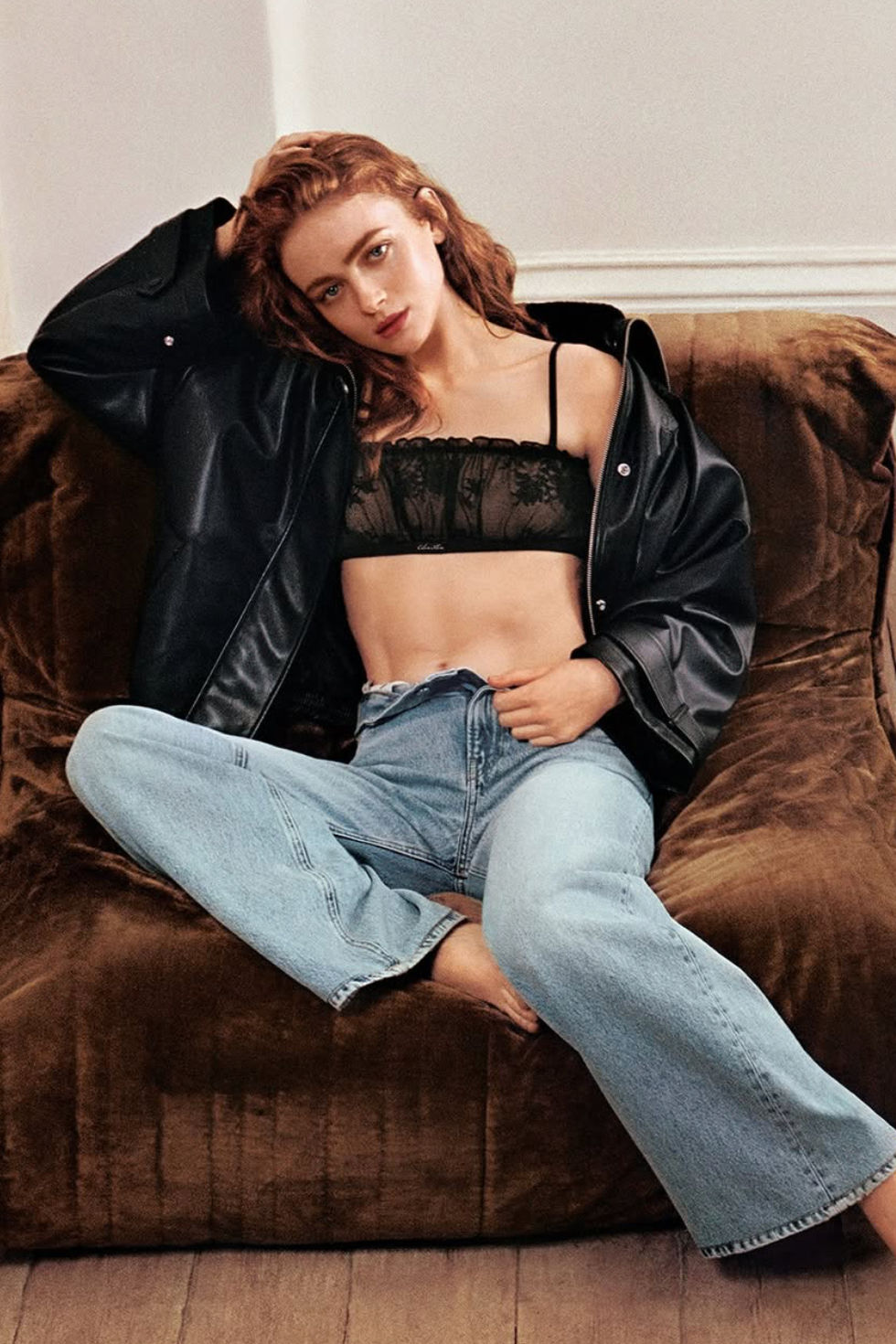
Image from the Marie Claire photoshoot for Mui Mui - Li Gengxi in Miu Miu Holiday collection for Marie Claire China. Photographed by Wang Ziqian. Stylist: Tan Beibei

.jpg)


Comments